
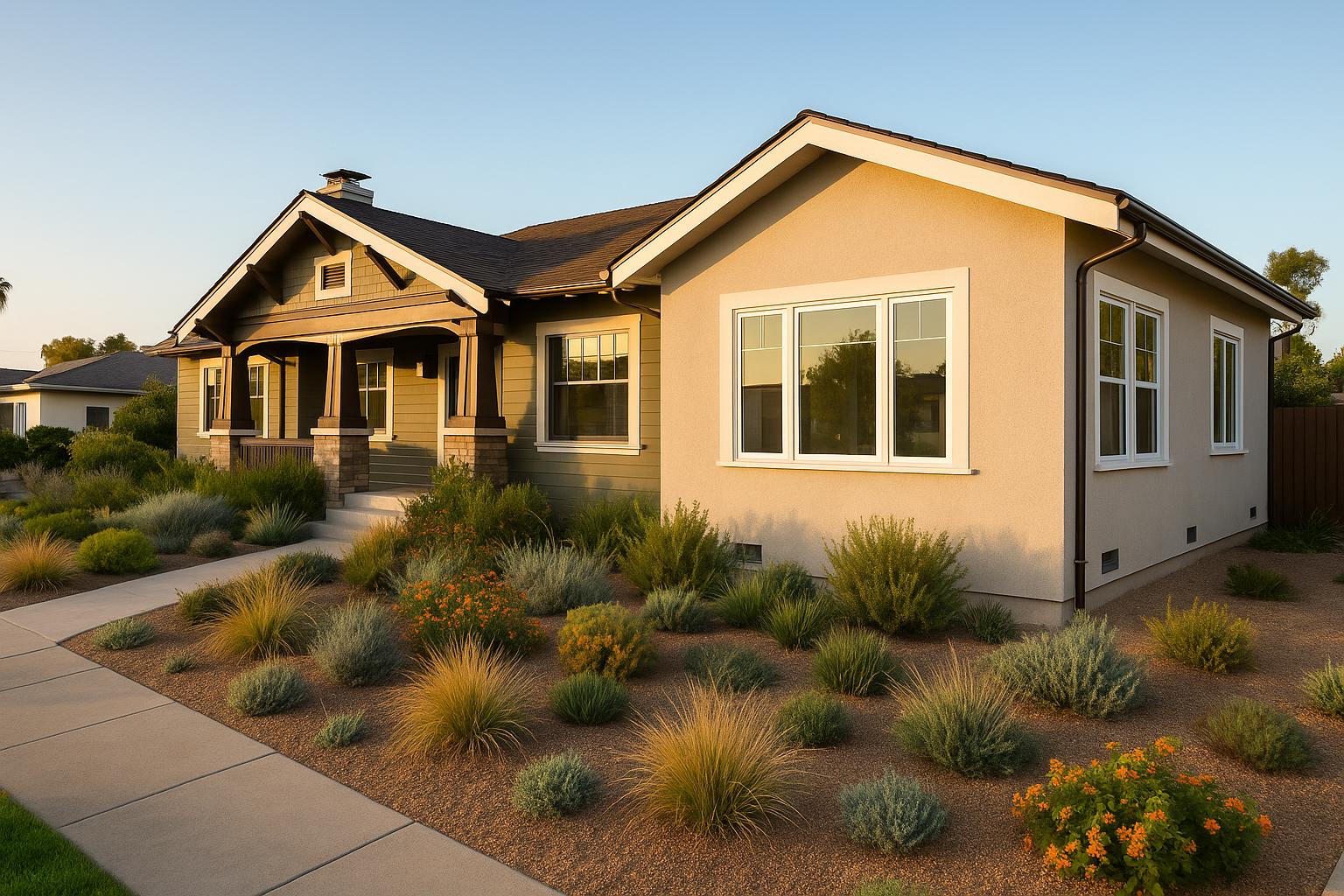
Why San Diego Homeowners Are Adding On Instead of Moving
San Diego's housing market has been fiercely competitive for years. Between rising home prices and limited inventory, many homeowners are discovering that adding square footage to their current property makes more financial sense than buying a new one. Whether you need an extra bedroom for a growing family, a home office that actually feels like a real room, or a second-story addition to capture ocean breezes, a well-planned home addition can dramatically increase both your living comfort and your property value.
But planning a home addition involves more than just picking out paint colors. From navigating the City of San Diego's permitting process to setting a realistic budget, there are critical steps you need to get right before a single wall goes up. Here's how to approach the process without losing sleep.
Step 1: Define Your Goals Before You Design
Before you call an architect or contractor, sit down and answer a few honest questions:
- What problem are you solving? Do you need more bedrooms, a larger kitchen, a dedicated workspace, or a separate living area for aging parents?
- How long do you plan to stay in this home? If you're staying for ten-plus years, design for your lifestyle. If you might sell in five, focus on additions that offer the strongest return on investment.
- What's your realistic budget range? Knowing your financial ceiling early prevents heartbreak later when design dreams collide with construction costs.
Having clear answers to these questions gives your remodeling team a strong foundation to work from. It also prevents scope creep — that sneaky tendency for projects to grow larger and more expensive as exciting ideas pile up.
Step 2: Understand San Diego's Permitting and Zoning Requirements
One of the biggest surprises for first-time addition projects is the permitting process. In San Diego, most home additions require building permits, and depending on your neighborhood, you may also need to comply with specific zoning overlays, setback requirements, and height restrictions.
Here are a few things to keep in mind:
- Setback rules dictate how close your addition can be to your property line. These vary by zone and can significantly affect your design options.
- Floor Area Ratio (FAR) limits the total buildable square footage relative to your lot size. You might have a large yard but still be restricted on how much you can build.
- Historical or coastal overlays apply in certain San Diego neighborhoods like Coronado, parts of La Mesa, and coastal communities. These can add extra review steps and design constraints.
- ADU regulations have been loosened considerably in California, which opens up possibilities if your goal is to add a detached unit or convert a garage.
An experienced local contractor will know how to navigate these requirements efficiently. At Mountain View Extensions, we handle the permitting legwork for our clients throughout San Diego, El Cajon, Chula Vista, National City, and the surrounding areas so you don't have to spend your weekends deciphering municipal code.
Step 3: Set a Realistic Budget (and Build in a Cushion)
Home addition costs in San Diego vary widely depending on the scope, but here are some general ranges to help you plan:
- Room additions (bedroom, family room, or home office): Typically $250–$450 per square foot, depending on finishes and structural complexity.
- Second-story additions: These tend to be on the higher end because they require structural reinforcement of the existing foundation and framing.
- Bump-outs and small expansions: Extending a kitchen or bathroom by 50–150 square feet can sometimes be more cost-effective than a full addition, though costs per square foot may be higher due to the complexity of tying into existing systems.
Regardless of the type of addition, we always recommend budgeting a 10–15% contingency fund. Unexpected discoveries — outdated wiring, plumbing that doesn't meet current code, or soil conditions that require extra foundation work — are common in older San Diego homes, especially in established neighborhoods like La Mesa and National City where housing stock dates back several decades.
Step 4: Choose the Right Contractor (Not Just the Cheapest Bid)
Your contractor is the single most important decision you'll make. A low bid might look attractive on paper, but it often signals cut corners, inexperienced crews, or a company that will nickel-and-dime you with change orders.
When evaluating contractors for your San Diego home addition, look for:
- A valid California contractor's license (CSLB) with no disciplinary actions.
- Proof of insurance — both general liability and workers' compensation.
- A portfolio of completed additions in the San Diego area, ideally with references you can actually call.
- A detailed written estimate that breaks down materials, labor, permits, and timeline — not a vague lump sum.
- Clear communication style. You'll be working closely with this team for weeks or months. If they're hard to reach during the bidding phase, imagine how frustrating they'll be mid-construction.
At Mountain View Extensions, we walk every client through a transparent planning process from our office on University Ave. We believe you deserve to understand exactly where your money is going and what to expect at every stage.
Step 5: Plan for Life During Construction
This is the step most homeowners forget. Living through a home addition means dealing with noise, dust, limited access to parts of your home, and the occasional disruption to water or electricity. A few practical tips:
- Set up a temporary kitchen if your addition ties into your existing kitchen space. A microwave, mini fridge, and electric kettle in a spare room can save your sanity.
- Communicate with your contractor about scheduling. Know which days will be the loudest or most disruptive so you can plan accordingly, especially if you work from home.
- Talk to your neighbors. A quick heads-up about the project timeline goes a long way toward maintaining good relationships, particularly in close-knit San Diego neighborhoods.
- Protect your belongings. Dust travels farther than you think. Cover furniture, seal off doorways with plastic sheeting, and move valuables away from the construction zone.
The Payoff Is Worth the Process
A home addition is one of the most significant investments you can make in your property. Done right, it gives you the space you need without the upheaval of moving, and it adds real, lasting value to your home. San Diego's strong real estate market means that well-executed additions — especially those that add bedrooms, bathrooms, or livable square footage — consistently deliver solid returns.
The key is approaching the project with a clear plan, a realistic budget, and a contractor you trust. If you're considering a home addition anywhere in the greater San Diego area — from Chula Vista to El Cajon to Coronado — Mountain View Extensions is here to help you think it through and build it right. Reach out to start a conversation about what's possible for your home.